Durable Auto Replacement Items: Uncover Your Perfect Match
Reliable vehicle replacement components are crucial for vehicle performance and safety. Car owners must first identify their specific requirements based on make, model, and year. High-grade components, especially OEM parts, are necessary for a proper fit and compliance with standards. However, the market is flooded with options, making it challenging to choose correctly. Understanding where to source these parts can greatly influence their vehicle's longevity and reliability. What elements should one consider in this decision-making process?
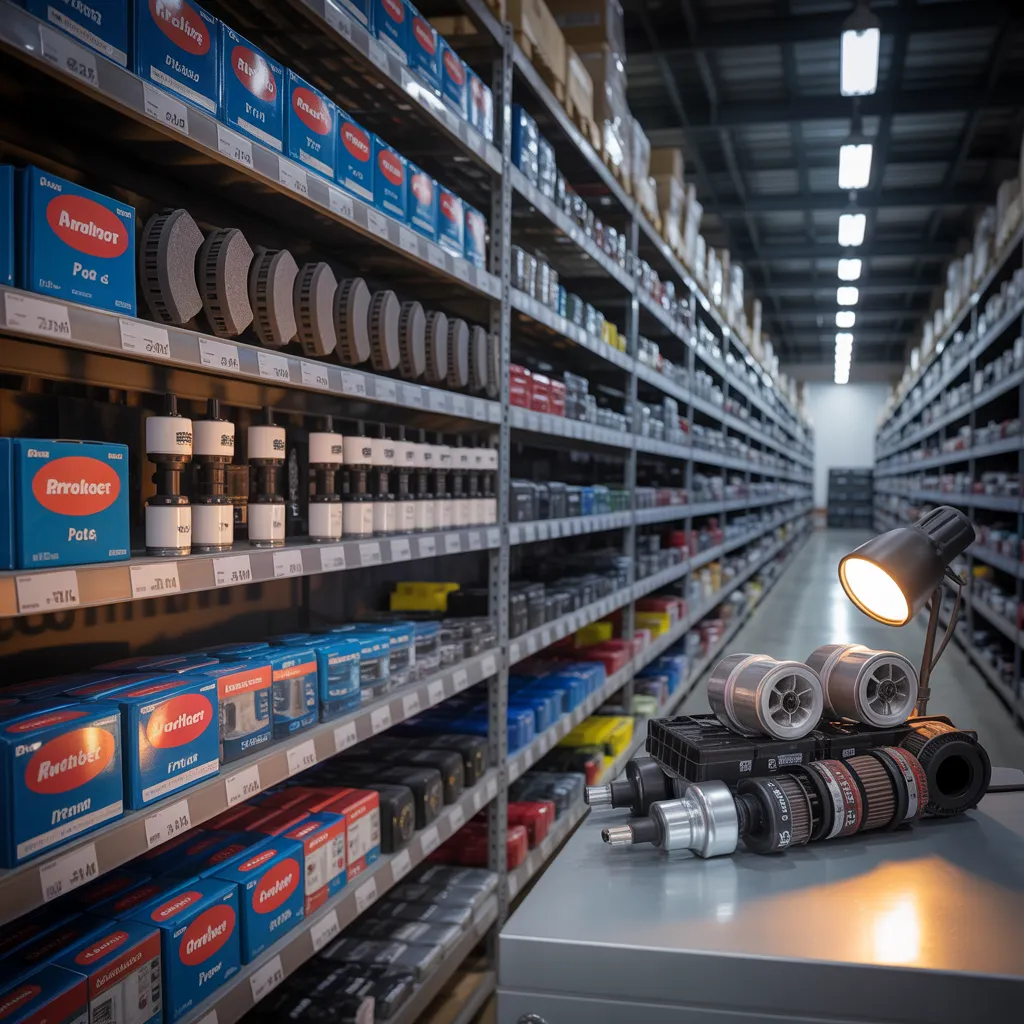
What Car Replacement Items Are Necessary?
When analyzing what automobile replacement parts are necessary, one must determine the specific needs of their vehicle. Vehicles require distinct parts based on make, model, and year. Common components that often require replacement include brake pads, batteries, filters, and belts. Regular wear and tear results in the deterioration of these parts, making prompt replacement crucial for optimal operation and safety.
Additionally, grasping the vehicle’s usage plays an important role in deciding which parts to focus on. For example, a vehicle often driven in harsh conditions may need more regular replacements of certain components. Consulting the owner’s manual can provide useful insights into recommended replacement intervals. Moreover, it is essential to evaluate the potential for upgrades or modifications, as these may necessitate specific parts that improve performance or efficiency. By accurately identifying the necessary parts, vehicle owners can service their vehicles effectively and extend their lifespan.
Ways to Notice Superiority in Spare Parts
Assessing quality in replacement parts is key for ensuring vehicle capability and safety. First, it's important to examine the substances used in the part; top-quality components usually use durable metals or composites that resist wear and corrosion. Verifying certifications, such as ISO or SAE standards, can also suggest reliability, as reputable manufacturers observe strict guidelines.
Additionally, inspecting the finish of the part is vital—smooth surfaces and even coatings indicate superior manufacturing processes. Original Equipment Manufacturer (OEM) parts are often the gold standard, as they align with the specifications of the vehicle’s original components.
Furthermore, examining the manufacturer's reputation can provide information into the standard of their products. User reviews and professional recommendations can highlight likely issues or advantages. By combining these factors, one can effectively gauge the standard of replacement parts, ultimately leading to well-informed purchasing decisions.
Best Places to Obtain Superior Auto Parts?
Where can someone acquire superior auto parts that secure reliability and effectiveness? Many well-known sources offer a rich selection of auto parts that are suited to various requirements. Often, local auto parts stores are the first stop, equipping experienced staff and direct access to required components. Additionally, chain retailers sometimes stock a variety of products, including both basic and high-performance parts.
Online shops present an alternative, boasting wide stock and competitive pricing. Websites specializing in auto parts often include buyer feedback, aiding in informed purchasing decisions. Additionally, manufacturer websites may offer direct purchasing of original equipment parts, guaranteeing authenticity.
For individuals in search of specialized components, salvage yards are a prime source of affordable, used parts that are still serviceable. Ultimately, consumers must prioritize research and assess the genuineness of their chosen source to confirm they are obtaining quality auto parts.
OEM vs. Replacement Auto Parts: What to Consider
Deciding between Original Equipment Manufacturer and replacement auto parts can be an crucial choice for vehicle owners. Original Equipment Manufacturer (OEM) parts are made by the vehicle’s manufacturer, guaranteeing a perfect fit and adherence to manufacturing standards. They often come with warranties and are designed to maintain the vehicle’s original performance. However, OEM parts can be more expensive.
On the other hand, non-OEM components are made by third-party suppliers and vary greatly in terms of quality. While they might offer cost savings, the fit and reliability might not always be comparable to OEM parts. Vehicle owners should take into account their budget, the specific part required, and the vehicle's warranty conditions when making this choice. Investigating the reputation of aftermarket manufacturers can also shed light on possible durability and performance. Ultimately, deciding between OEM and aftermarket parts relies on individual preferences and circumstances.
How to Mount Spare Parts Like a Pro
When installing replacement parts, having the right tools is essential for a positive result. A detailed setup manual can streamline the procedure and guarantee that each component is correctly fitted. By adhering to these recommendations, anyone can enhance their skills and reach professional-grade results.
Important Resources You Need
To have a effective auto repair experience, equipping oneself with the proper tools is critical. A essential toolkit must include wrenches and sockets of different sizes, allowing for versatile applications. Both flathead and Phillips screwdrivers are crucial for extracting screws during installations. Pliers and wire cutters help in gripping and cutting parts efficiently. A torque wrench ensures bolts are tightened according to manufacturer specifications to avoid damage. Furthermore, a jack and jack stands are important for safely lifting the vehicle. A multimeter assists in diagnosing electrical problems, while a funnel and oil catch pan make fluid changes cleaner and easier. Having these essential tools available not only streamlines the repair process but also boosts the overall quality of the installation.
Stage-by-Step Installation Manual
Installing new parts can be an easy task with the correct approach. First, make sure all required tools and parts are gathered to minimize interruptions. Begin by checking the vehicle's manual for specific instructions related to the part being replaced. Then, disconnect the battery to guarantee safety during installation. Remove the old part carefully, noting its fitting. When installing the replacement part, align it properly and secure it according to manufacturer guidelines. After installation, reconnect the battery and perform a functionality test. Finally, dispose of the old part responsibly. Following these steps will not only guarantee a proper installation but also boost the longevity and performance of the vehicle.
How to Keep Your Car After Replacing Components
It is important to service a vehicle after replacing parts in order to guarantee its durability and operation. Regular inspections are critical; drivers must check the freshly replaced components for damage or misplacement. Routine oil changes support peak engine function, while maintaining adequate fluid levels avoids overheating and mechanical try this problems.
Routine wheel upkeep encompassing rotation and pressure checks guarantees uniform wear and improves handling. Additionally, adhering to the manufacturer’s recommended maintenance schedule aids in detecting potential problems early.
Driving behavioral patterns also play a role; aggressive acceleration and sudden braking can strain new parts. Keeping the vehicle well-maintained helps prevent rust and corrosion, especially in sections where new components were installed.
Ultimately, keeping records for all replacements and maintenance activities assists in monitoring the vehicle’s health across time, ensuring it remains in prime condition. By adhering to these procedures, vehicle owners can get the most from the benefits of their recent parts replacements.
Frequently Raised Questions
How can I confirm a parts warranty before purchase?
To verify a component warranty before purchase, one should examine the manufacturer’s papers, consult online materials, and speak to the retailer. Additionally, confirming warranty terms directly with customer service can provide additional assurance.
Which gear are required to change vehicle parts
One typically requires basic equipment such as wrenches, sockets, screwdrivers, pliers, and a jack to replace auto parts. Supplementary equipment like torque wrenches and a multimeter may also be required for particular tasks.
Can you identify common signs of faulty replacement parts?
Common evidence of faulty replacement parts are unusual noises, vibrations, warning lights, decreased performance, fluid leaks, and premature wear. These indicators generally suggest that the installed components are not functioning as intended, requiring swift attention.
How could I get rid of used auto parts responsibly?
Individuals looking to get rid of old auto parts properly should check out local recycling centers, take part in automotive waste collection programs, or return parts to retailers that offer recycling services, helping environmental safety and compliance with regulations.
What Must I Do About if a Unit Is Not Working?
When a component is defective, the individual should reach out to the supplier for a refund or exchange. Document the issue and follow any particular warranty guidelines provided, guaranteeing proper resolution and reducing potential disruption to their vehicle’s functioning.